
06-12-2023

Accuracy and safety are essential in the world of electrical testing and calibration. One of the most important tools for achieving both is the insulation tester, also known as a high voltage resistance tester. This instrument is crucial for verifying insulation resistance, detecting faults, and ensuring that electrical systems perform safely and reliably. Whether used in industrial environments or for routine equipment calibration, insulation tester calibration plays a vital role in maintaining system integrity and preventing costly electrical failures.
An insulation tester measures the resistance of insulating materials that separate conductive parts of electrical systems. In simpler terms, it checks how well an electrical system prevents unwanted current from flowing — a critical factor in avoiding shocks, fires, and equipment damage.
Brands like Megger and Kyroitsu are well-known for producing dependable insulation testers. These instruments apply a high DC voltage (often up to 1 kV or more) to a circuit and measure the resulting resistance, usually in Megaohms (MΩ) or Gigaohms (GΩ).
Insulation testers are used in a wide range of applications, such as:
Essentially, an insulation tester helps verify that electricity stays where it’s supposed to — within the conductors — and doesn’t leak through insulation materials.
In traditional calibration setups, technicians often rely on multiple high voltage decade boxes and a digital multimeter. The process typically involves manually switching between 2–3 decade boxes to simulate different resistance values, while carefully monitoring the applied voltage using the multimeter.
While effective, this method comes with a few drawbacks:
This means that while traditional methods can get the job done, they’re not always efficient — and can introduce risks, especially in high-voltage environments.
With modern solutions like the Transmille 3200B or 1000 Series calibrators, insulation tester calibration becomes faster, safer, and much simpler.
Instead of juggling several instruments, you only need one piece of equipment. The calibrator can source resistance automatically as well as measure the applied voltage, allowing you to verify insulation testers across a wide range of voltages and resistance values — in minutes, not hours.
Benefits include:
For even greater efficiency, Transmille’s ProCal software can take the process a step further.
By performing your insulation tester calibration with ProCal, you can automate test sequences, record results directly, and generate certificates instantly — all without manually creating forms and templates. This saves valuable time and ensures consistency across multiple calibrations.
With automation through ProCal, calibration becomes not just faster, but fully traceable and audit-ready, ensuring compliance and accuracy every time.
Calibrating an insulation tester doesn’t have to be complex or risky. By upgrading from the traditional multi-instrument setup to a Transmille 3200B or 1000 Series — paired with ProCal automation — you gain a safer, faster, and more reliable workflow.


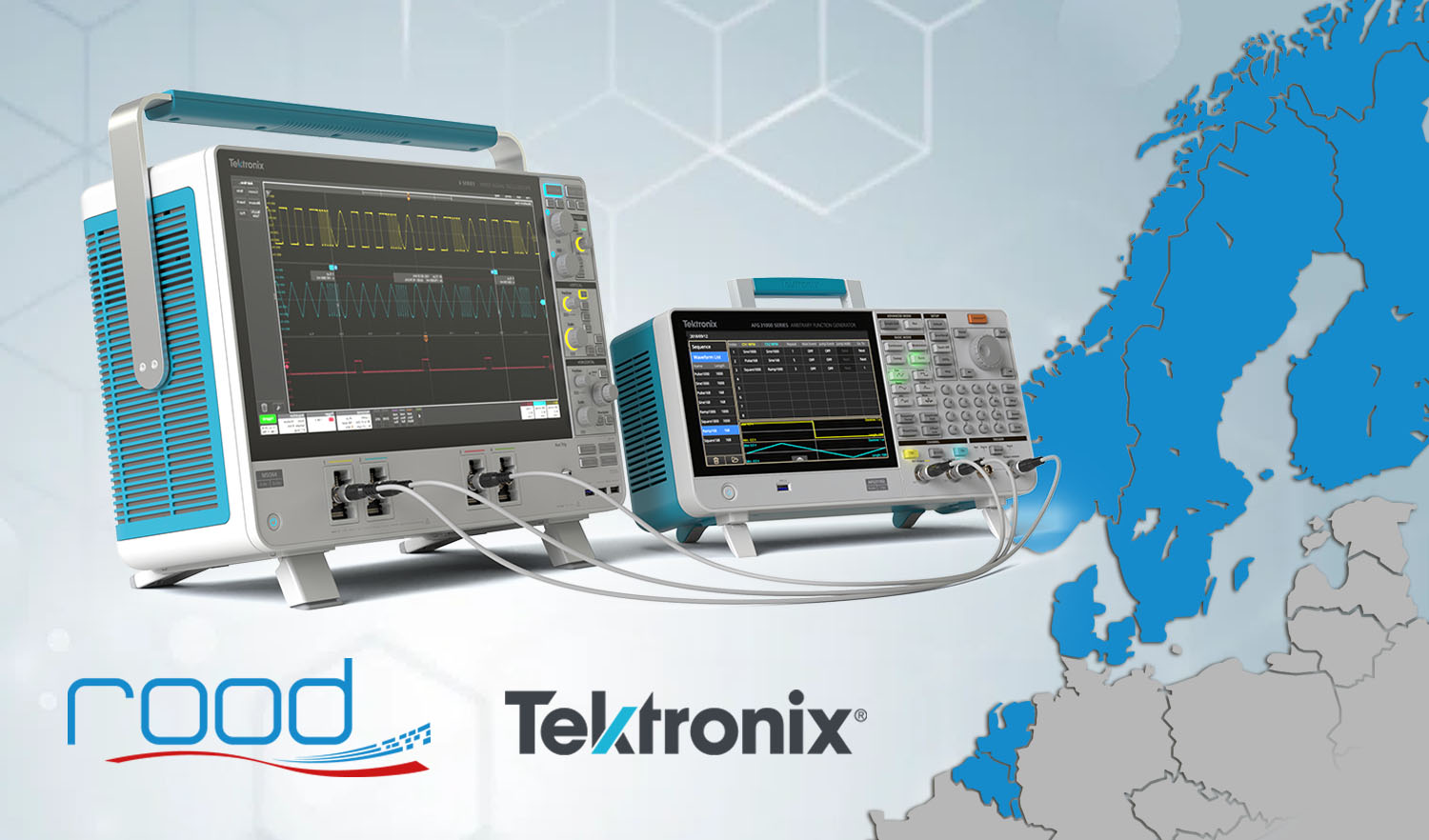
CN Rood is a distributor for Transmille and operates in the Benelux, Scandinavia, and the Baltic states.
06-12-2023

17-01-2024

06-02-2024
07-01-2025

